How Often Should You Service Your Exercise Bike?
Maintenance Frequency Depends on Use
Exercise bikes are among the most reliable pieces of fitness equipment, but they’re not maintenance-free. How often your bike needs professional service depends primarily on how frequently it’s used and the environment it operates in. A bike used casually at home has very different maintenance needs than a spin bike in a studio that goes through four classes a day.
Home Exercise Bikes: Annual Service
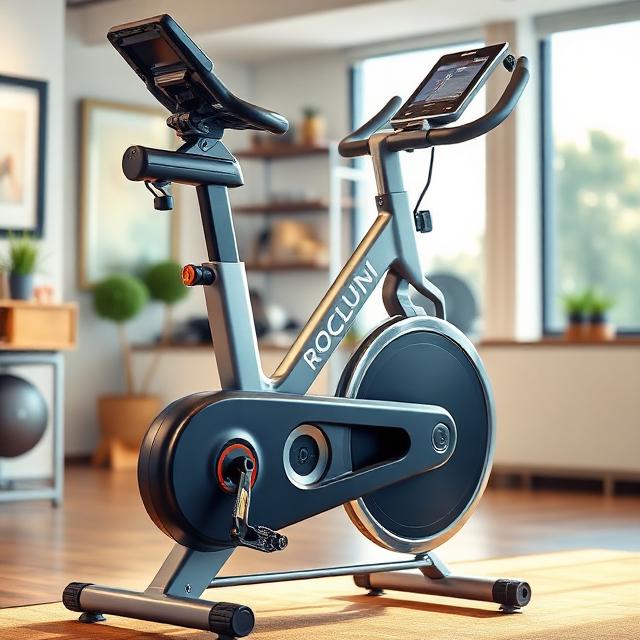
For a home exercise bike used 3 to 5 times per week by one or two people, an annual professional service visit is generally sufficient. Between visits, wipe down the frame and console after each use, check pedal tightness monthly, and listen for any new noises during your workout. Annual service should include pedal and crank arm inspection, drive system check, resistance calibration, console accuracy verification, and a full safety inspection.
Commercial and Studio Bikes: Quarterly Service
Bikes in commercial gyms, cycling studios, and apartment fitness centers experience dramatically more wear than home bikes. Multiple riders per day, varying body weights, and constant resistance adjustments accelerate wear on every component. These bikes should be professionally serviced at least quarterly, with more frequent service if the bikes are in a high-volume studio environment.
Signs Your Exercise Bike Needs Service Now
Don’t wait for the next scheduled visit if you notice any of these: unusual clicking, grinding, or rattling during pedaling, resistance that feels inconsistent or doesn’t change, a seat post that slips or won’t stay at the set height, pedals that feel loose or wobbly, or a console that displays inaccurate data or won’t power on. These symptoms indicate a problem that should be addressed before it worsens or becomes a safety concern.
What Professional Exercise Bike Service Includes
A professional service visit covers every component of the bike: pedal and crank arm inspection and tightening, bottom bracket bearing check, drive belt or chain inspection and adjustment, resistance mechanism calibration, seat and handlebar hardware inspection, console accuracy and power testing, and a full frame and weld safety inspection. The goal is to catch wear before it causes failure and keep the bike safe and comfortable for every rider.